

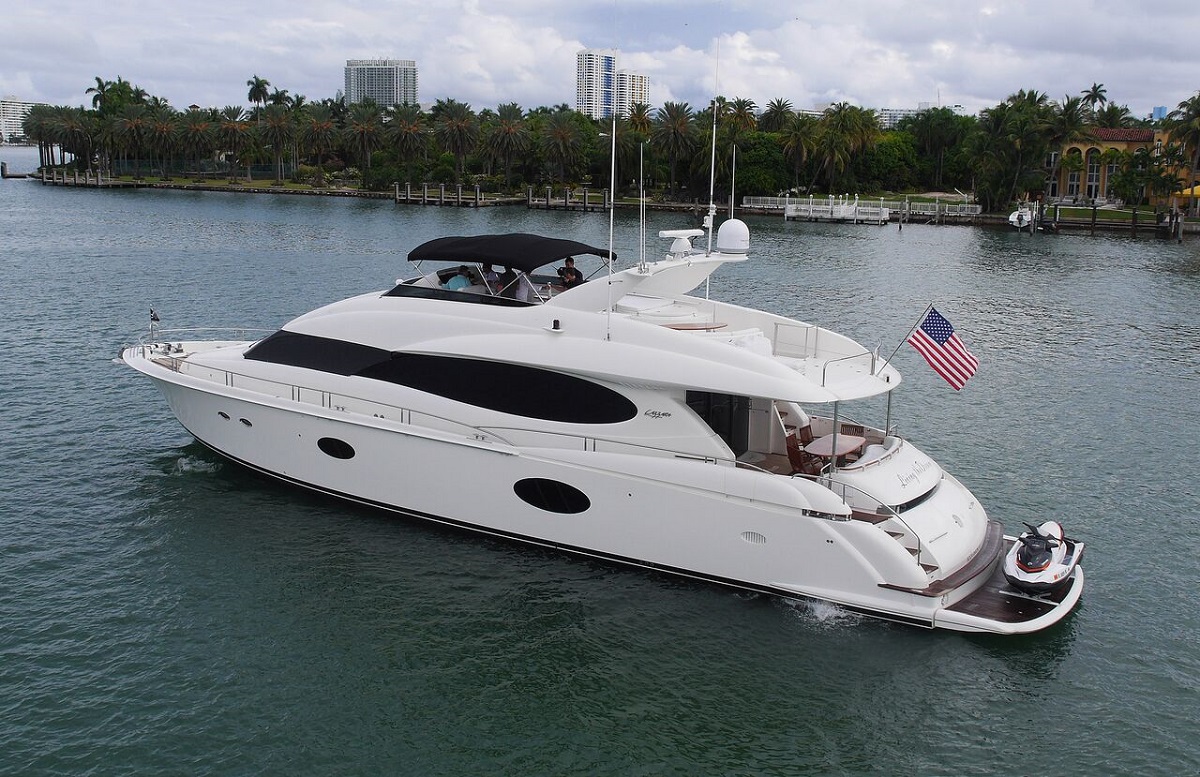
Sustainable yacht ownership in 2026 is the strategic management of a vessel to minimize environmental impact while optimizing operating costs, marina access, and long-term resale value. For eco-conscious yacht buyers in Miami, this concept has evolved far beyond a simple marketing buzzword. It is now a core financial and operational strategy.
The U.S. luxury yacht market hit an impressive $3.6 billion in 2025, and projections suggest it will reach $7.1 billion by 2034. As this growth accelerates, regulatory shifts are changing the way owners operate. The IMO GHG strategy now pushes the maritime industry toward a 20-30% emissions reduction by 2030, with a target of net-zero by 2050.
For buyers navigating the waters of South Florida and the Caribbean, sustainable yachting in Miami requires careful planning. You need a practical decision framework rather than a simple brand pitch. Your choice of propulsion impacts your dockage access in Fort Lauderdale and determines your exact Bahamas cruising costs.
Let us explore how you can build a sustainable ownership plan that protects both the oceans and your investment.
What Sustainable Yacht Ownership Means in 2026
Sustainable yacht ownership involves a complete lifecycle approach to vessel management. The United Nations and EPA define sustainability as long-term resource stewardship. In the yachting world, this translates to balancing your luxury lifestyle with smart, resource-efficient planning.
To achieve true yacht sustainability in 2026, owners must look at six critical pillars. These include fuel consumption, dockside emissions, eco-friendly materials, smart onboard systems, proactive maintenance, and lifecycle value. Eco-friendly yacht ownership is no longer just about picking the right engine. It is about how the vessel interacts with its environment from the moment it leaves the shipyard until it changes hands.
The contrast between traditional and modern ownership models is sharp.
|
Feature |
Old Ownership Model |
Sustainable Ownership (2026) |
| Power Source | Constant diesel generator use | Shore power connection and battery banks |
| Maintenance | Reactive repairs | Predictive yacht maintenance planning 2026 |
| Materials | Traditional harvested teak | Teak alternative decking yacht 2026 |
| Lifecycle | High depreciation | Strong resale value eco yacht |
The 5 Planning Areas Eco-Minded Buyers Must Evaluate
Reducing yacht fuel consumption in Miami is a top priority for eco-conscious yacht buyers. You need to evaluate the entire scope of your yacht ownership costs in 2026. Here are the five vital areas you must review before making a purchase.
- Propulsion Choice: You must decide between conventional diesel, hybrid, full electric, or a dual-system setup based on your needs.
- Cruising Profile: Your regular routes dictate your vessel requirements. Short-hop coastal trips require different setups compared to long-range offshore passages.
- Marina and Shore Power Access: Florida marinas with shore power dictate how clean your yacht runs at the dock. Connecting to the grid lets you turn engines off entirely.
- Refit and Maintenance Costs: Eco-friendly upgrades often carry an upfront premium. Understanding yacht investment trends in 2026 helps you evaluate which upgrades deliver the best long-term ROI. You need to break down the long-term savings to see the true financial picture.
- Resale and Future Demand: Tech-forward, sustainable luxury yachts in Miami in 2026 are much easier to sell, as yacht resale value in 2026 increasingly favors eco-compliant vessels. Future buyers will demand these features.
Cruising the Bahamas also comes with specific local costs. The Bahamas yacht permit 2026 update states that a 30-day permit costs $350 for yachts between 51 and 100 feet. Planning your route efficiency directly impacts these cruising budgets.
Propulsion Options and What Sustainable Buyers Should Compare
Choosing the right hybrid propulsion system or engine setup defines your entire experience on the water. You must align your technology with your itinerary.
1. Conventional Diesel and Proven Offshore Reliability
Conventional diesel remains the dominant choice for owners who prioritize long offshore passages. These engines offer unmatched range and proven reliability. If you spend weeks navigating remote islands without marina support, diesel remains highly practical.
2. Hybrid Propulsion for Low-Speed Efficiency
The hybrid yacht benefits are incredible for South Florida boaters. Hybrid systems offer massive fuel savings at low speeds, which is perfect for Miami’s strict no-wake zones. They allow for silent, emission-free operation in marinas. The Pearl 100 Hybrid is an excellent example of this technology in action. While hybrid retrofit systems cost between €30,000 and €80,000, new builds will see a premium of roughly €20,000 to €40,000 at production scale by 2030.
3. Electric Systems and Range Limitations in 2026
An electric motor yacht offers a completely silent ride with zero emissions. However, electric yacht range limitations restrict these vessels to about 20 to 40 nautical miles per charge. They are highly practical for harbor use and day cruising around Biscayne Bay, but not for crossing the Gulf Stream.
4. Alternative Fuels on the Horizon
Alternative fuels for yachts include hydrogen and methanol. These options represent the future of zero-carbon emissions yachting. They are currently emerging technologies and have not yet hit mainstream production for mid-sized private yachts.
When looking at a hybrid yacht vs. a diesel yacht in Miami in 2026, keep this quick reference guide in mind.
| Propulsion Type | Best For | Range | Cost Premium |
Miami Suitability |
| Diesel | Long passages | Unlimited (with fuel) | Baseline | Medium |
| Hybrid | Coastal & Marina | Extended | 15-25% Upfront | High |
| Electric | Day cruising | 20-40 NM | High | Niche/Harbor |
| Alternative | Eco-pioneers | Varies | Very High | Emerging |
Why Marina Infrastructure and Cruising Routes Matter Most
The best eco-friendly yachts for Miami and Bahamas cruising rely heavily on shoreside infrastructure. Sustainability does not happen in a vacuum. It requires the right environment.
A shore power connection at your berth is a game-changer. Plugging into the local grid means you can turn your engines and generators completely off. This simple action results in a significant emission reduction. You must verify that your favorite destinations actually support this lifestyle.
Miami and Bahamas yacht cruising requires strategic route planning. Running from Miami to Nassau is a journey of approximately 180 nautical miles. If you push your yacht at top speed, your fuel consumption skyrockets. Cruising at a hull speed of 10 to 12 knots can cut your fuel burn in half.
When you arrive in the Exumas or Abacos, you face a choice between marina infrastructure and anchor-only remote bays. Marinas offer grid power, but remote bays force you to rely on your onboard lithium battery marine setup or generators.
Miami offers excellent infrastructure for eco-conscious owners. Here are the top local facilities equipped to help you reduce dockside emissions.
|
Marina Name |
Location |
Shore Power Availability |
| Island Gardens Deep Draft | Watson Island | Full superyacht shore power |
| Dinner Key Marina | Coconut Grove | 30/50/100 Amp service |
| Bayfront Park Marina | Downtown Miami | Standard vessel connections |
| Sunset Harbour Yacht Club | Miami Beach | High-capacity connections |
Eco-Friendly Materials and Smart Onboard Systems
Green yacht upkeep extends well past the engine room. Eco-friendly yacht ownership demands smart decisions regarding onboard systems and construction materials.
Teak alternative decking on yachts in 2026 is becoming the industry standard. Synthetic teak, cork decking, and marine-grade aluminum offer a luxurious look with significantly lower maintenance and zero deforestation impact.
Solar panel yacht integration is another major leap forward. For example, the Sunreef 80 Power Eco features 200 square meters of Solar Skin 3.0 generating up to 40 kWp. This energy flows into advanced battery systems that are now 30% lighter than conventional marine batteries were just a few years ago.
You can also achieve a massive hotel load reduction by installing an energy-efficient HVAC yacht system paired with comprehensive LED lighting onboard. Furthermore, installing a water-saving marine system with reverse osmosis and grey water recycling ensures your vessel leaves pristine waters untouched. Advanced onboard waste treatment systems complete the green lifecycle of modern yachts.
The Hidden Cost Side of Eco-Friendly Upgrades
You need to understand the true yacht ownership costs in 2026 before signing a contract — including the hidden costs of operating a superyacht that most buyers overlook. Are sustainable yachts more expensive to maintain? The answer depends on your timeline.
Buyers typically face a purchase premium of 15% to 25% for a hybrid setup compared to a standard diesel build. You also need to factor in the yacht battery replacement cost. High-capacity marine batteries have a lifecycle of roughly 8 to 12 years before they require replacement.
Service availability is another factor. Miami has a rapidly growing network of hybrid technicians. However, if you experience a complex electrical failure in a remote Bahamian anchorage, your repair options are incredibly limited. Operating these advanced systems also requires specific crew training for hybrid technology.
Regulatory compliance adds another layer to operating costs. The IMO GHG strategy for yacht owners in 2026 introduces strict emissions guidelines. Additionally, the EU ETS superyacht regulations currently apply to commercial vessels over 5,000 GT. Owners should watch for these regulations to expand. While a sustainable yacht lowers fuel bills, you must acknowledge that not every eco-feature pays back immediately in cash.
Crucial Questions to Ask Your Miami Broker
Finding a yacht for sale in Miami that is sustainable requires expert guidance. You need to know what questions to ask a yacht broker about sustainability to protect your investment. Ask your yacht broker these eco-friendly qualifying questions.
1. What propulsion setup best fits my Miami and Bahamas cruising pattern?
Your broker should analyze your typical routes. They will match a hybrid system for marina-heavy use or recommend diesel if you frequently make long offshore passages.
2. Is shore power available at my home marina and favorite destinations?
A knowledgeable broker knows the exact infrastructure of South Florida. They will confirm if your slip can handle the electrical draw your new vessel requires.
3. What are the annual maintenance implications of this hybrid system?
Advanced systems require specialized technicians. Your broker must provide a clear breakdown of annual service costs versus expected fuel savings.
4. Are eco-upgrades available without sacrificing offshore range?
You do not have to compromise on adventure. A broker can source yachts that feature solar integrations and smart hotel loads while maintaining standard diesel range.
5. How does this model compare on resale and operating efficiency?
Understanding the lifecycle value is critical. Your broker will pull market data to show how tech-forward yachts are holding their value against older models.
6. What are the current Bahamas permit fees for a vessel of this size?
Cruising costs fluctuate. Your broker will verify the 2026 permit fees so you can accurately budget your island itineraries.
Talk to a Miami Yacht Broker About Sustainable Options to start planning your next acquisition.
How Eco-Friendly Features Affect Future Resale Value
Yacht resale value in 2026 is directly tied to technological relevance. Eco-friendly yacht ownership is a huge advantage in the brokerage market.
Tech-forward yachts attract a highly qualified buyer pool. These modern buyers understand that compliance-friendly vessels are better positioned as international regulations evolve. Initiatives like FuelEU Maritime are pushing the industry toward strict compliance. The EU ETS now includes methane and nitrous oxide tracking. Owning a compliant yacht often results in clear insurance premium advantages.
The Miami market is incredibly robust. According to IYC data, the US accounts for 28% of global yacht sales. Furthermore, a huge HNWI wealth transfer is underway. An estimated $83.5 trillion will pass to younger, more eco-conscious buyers by 2048. How do eco features affect yacht resale value? They future-proof your asset. When you invest in a sustainable luxury yacht in Miami in 2026, you are building equity in a vessel that the next generation wants to buy.
Your 2026 Checklist for Eco-Conscious Yachting
To ensure you make a financially sound and environmentally responsible purchase, follow this comprehensive planning checklist.
- Define your cruising style by choosing between coastal Miami hops, Bahamas offshore trips, or global long-range passages.
- Match your propulsion to your actual usage so you do not overpay for hybrid tech you will not use offshore.
- Verify shore power connections at your home marina and your top three travel destinations.
- Calculate the total lifecycle maintenance costs instead of just focusing on the upfront purchase price.
- Review the specific battery replacement timeline and budget for the 8 to 12-year cycle.
- Check the updated Bahamas cruising permit fees for your exact vessel size.
- Consider the vessel’s upgrade path and ask the builder if the yacht is hybrid-ready for future conversions.
- Think about resale from day one because eco-features increasingly drive premium pricing on the brokerage market.
Frequently Asked Questions About Yacht Sustainability
1. What does sustainable yacht ownership mean in 2026?
Sustainable yacht ownership in 2026 is the strategic management of a vessel to reduce environmental impact while optimizing operating costs. It includes utilizing hybrid propulsion, plugging into shore power, installing eco-friendly decking, and planning efficient cruising routes. The IMO aims for a 20-30% emissions reduction by 2030.
2. Is a hybrid yacht worth it for private ownership in Miami?
Yes, a hybrid yacht is highly beneficial for private ownership in Miami. Hybrid systems offer big fuel savings at low speeds and allow for silent, emission-free operation in strict no-wake zones. While they carry a 15-25% purchase premium, the long-term operational savings are significant.
3. Does shore power really reduce emissions on a yacht?
Yes, connecting to shore power drastically reduces dockside emissions. When a yacht plugs into the local marina grid, the captain can turn off the onboard diesel generators. This eliminates local exhaust fumes and noise pollution while keeping the vessel’s hotel systems running smoothly.
4. Are sustainable yachts more expensive to maintain?
Sustainable yachts often have a higher upfront purchase price but can be less expensive to run daily. You will save money on fuel and generator wear. However, owners must budget for specialized hybrid technician servicing and marine battery replacement costs every 8 to 12 years.
5. How do eco features affect yacht resale value?
Eco-friendly features significantly boost a yacht’s resale value in 2026. Younger, eco-conscious buyers actively seek out vessels with solar integration, hybrid propulsion, and sustainable materials. Yachts that meet strict international emissions regulations sell faster and command premium pricing on the brokerage market.
Ready to Find a Yacht That Aligns With Your Goals?
Sustainable ownership requires matching the right yacht with your specific route, local infrastructure, and long-term budget. South Florida buyers possess a unique advantage with year-round access to the Bahamas and Caribbean. You can leverage this incredible location while minimizing your environmental footprint.
Are you ready to explore the best eco-friendly yachts for sale in Miami? Our team understands the nuances of hybrid propulsion, marina access, and resale metrics. Contact Miami International Yacht Sales today and let us build your ideal 2026 ownership strategy.
