


By Robert Lama, President — Miami International Yacht Sales | Updated August 2026
Knowing how to maintain a yacht — and understanding superyacht maintenance and motor yacht maintenance costs — is the most important factor in protecting the value of your investment — and the single most underestimated cost for first-time luxury yacht owners. A yacht that receives consistent, documented maintenance retains 15–25% more value at resale than an equivalent vessel with incomplete service records. In South Florida’s salt water environment, the difference between a well-maintained and a poorly maintained yacht becomes visible within 18 months.
This guide covers everything you need to know about luxury yacht maintenance in 2026 — from weekly routines to annual haul-outs, cost benchmarks for vessels in the 40–100 foot range, and what Robert Lama looks for in a vessel’s maintenance history when evaluating a pre-owned yacht for acquisition in Miami.
📞 Questions about yacht maintenance history before buying? Call Robert Lama: +1-305-857-8939
Yacht Maintenance Cost — What to Budget in 2026
The most reliable industry benchmark for annual yacht maintenance cost is 8–12% of the vessel’s market value per year. This covers routine servicing, antifouling, insurance, dockage, and incidental repairs — but not major refits or unexpected mechanical failures. Robert Lama uses these benchmarks when advising buyers on total cost of ownership before any acquisition.
| Vessel Size | Est. Value | Annual Maintenance | Key Cost Drivers |
|---|---|---|---|
| 40 – 50 ft motor yacht | $300K – $800K | $25,000 – $80,000/yr | Antifouling, engine service, dockage |
| 50 – 65 ft flybridge | $700K – $2M | $60,000 – $200,000/yr | + Generator, watermaker, systems |
| 65 – 90 ft motor yacht | $2M – $6M | $160,000 – $600,000/yr | + Captain, crew costs |
| 90 – 130 ft superyacht | $5M – $20M | $400,000 – $2M/yr | + Full crew, refit cycles |
| 130 ft+ mega yacht | $20M+ | $2M – $10M+/yr | Classification, major refit |
Figures reflect South Florida market conditions in 2026. Actual costs depend on vessel age, usage pattern, engine hours, and condition.
Annual Yacht Maintenance Schedule — Yacht Maintenance Checklist Month by Month
The most effective way to maintain a luxury yacht in Miami’s tropical climate is to follow a structured annual maintenance schedule — not a reactive approach. South Florida’s year-round salt air, UV exposure, and high humidity accelerate degradation across every system faster than northern markets.
| Period | Tasks | Who Does It |
|---|---|---|
| Weekly | Fresh water rinse of all exterior surfaces, bilge check, battery voltage check, lines and fenders inspection | Owner or crew |
| Monthly | Engine fluid levels, bilge pump test, navigation light check, AC filter cleaning, interior wipe-down, zinc inspection | Owner or crew |
| Quarterly | Full engine service (filters, belts, impellers), generator service, watermaker membrane check, safety equipment inspection | Certified marine technician |
| Every 6 months | Hull cleaning (dive team), thru-hull inspection, AC full service, upholstery condition check, electronics calibration | Marine service yard + technician |
| Annual | Haul-out and antifouling, full hull inspection, running gear (shafts, propellers, cutless bearings), engine room deep clean, full electrical audit | Certified boatyard |
| Every 5 years | Full refit — paint, upholstery, electronics, structural inspection, classification survey (if applicable) | Specialist refit yard |
How to Maintain a Yacht — System by System
1. Hull Maintenance — The Most Important System
In Miami’s warm, nutrient-rich water, biofouling (barnacles, algae, and other marine growth) accumulates on an untreated hull within weeks. This directly affects fuel consumption — a fouled hull can increase fuel burn by 20–30% at cruise speed. The primary defense is a quality antifouling bottom paint applied during the annual haul-out.
Hull maintenance checklist:
- Annual haul-out and antifouling — budget $2,500–$15,000 depending on vessel size
- Underwater hull cleaning every 6–8 weeks via dive team ($300–$800 per clean for a 60-foot vessel)
- Inspect for osmotic blistering — more common on fiberglass hulls above 10 years old
- Check all thru-hull fittings and seacocks at every haul-out
- Inspect anodes (zincs) monthly — replace when 50% consumed
South Florida specific: Miami’s water temperature (averaging 77–85°F year-round) accelerates biofouling significantly faster than cooler northern waters. Vessels that stay in the water year-round in South Florida typically need antifouling every 12 months at minimum — vessels in the Bahamas or Caribbean may need more frequent treatment.
2. Engine and Propulsion Maintenance
The engine is the most expensive system to repair on a luxury motor yacht — and the system most directly affected by deferred maintenance. In Miami’s tropical climate, a yacht used for regular Bahamas crossings accumulates engine hours faster than a vessel used only for coastal day trips. Robert Lama treats engine service records as the single most important document when evaluating a pre-owned vessel.
Engine maintenance schedule for diesel motor yachts:
- Every 100–250 hours: Oil and filter change, fuel filter replacement, raw water impeller check
- Every 500 hours: Full service — belts, hoses, heat exchanger inspection, injector check
- Every 1,000 hours: Valve clearance check, turbocharger inspection, transmission fluid change
- Annually regardless of hours: Cooling system flush, zinc replacement on stern drives and shafts, propeller shaft seal check
Volvo IPS maintenance: IPS pod drives — common on Azimut, Ferretti, and Prestige flybridge yachts — require specific maintenance intervals for the pod oil and drive belts. Always use authorized Volvo Penta service centers for IPS systems to maintain warranty validity.
3. Electrical Systems
Salt air is the enemy of electrical connections on any vessel, and particularly aggressive in Miami’s coastal environment. Corroded connections are the most common cause of electrical failures on pre-owned yachts — and often invisible until a system fails at sea.
- Inspect all battery terminals and connections monthly — apply corrosion protection spray
- Load-test house batteries annually — replace if capacity has dropped below 80%
- Check shore power connections and shore power cord condition quarterly
- Inspect AC wiring and connections annually — salt water causes galvanic corrosion in marine electrical systems
- Test all bilge pumps and automatic float switches monthly
- Inspect navigation and anchor lights before every departure
4. Steering and Hydraulic Systems
- Check hydraulic steering fluid level monthly — any drop indicates a leak requiring immediate attention
- Inspect hydraulic hoses, connections, and ram quarterly — look for chafing, cracking, or seepage
- Grease helm station fittings as specified by the manufacturer
- Test autopilot and manual steering at the beginning of each season
- Check trim tabs and hydraulic cylinders for corrosion and wear quarterly
5. Deck and Exterior Surfaces — How to Clean a Yacht
UV exposure in South Florida is among the highest in North America — degrading gelcoat, teak, upholstery, and canvas faster than any other US market. Consistent exterior maintenance significantly extends the life of these surfaces and protects the vessel’s visual presentation — critical for resale value.
- Weekly fresh water rinse — salt deposits left on deck surfaces cause staining and accelerate corrosion in fittings
- Gelcoat and topsides wax — at minimum twice per year; quarterly for vessels used heavily in open water
- Teak care — oil every 3–6 months; professional sanding and treatment annually for laid teak decks
- Upholstery and canvas — UV-protectant spray every 2–3 months; professional cleaning and waterproofing annually
- Stainless steel polish — monthly to prevent salt water pitting; replace any corroded hardware immediately
6. Interior Maintenance
- Run air conditioning regularly — dehumidification prevents mold and mildew in Miami’s high-humidity environment
- Clean AC filters monthly — blocked filters reduce efficiency and strain compressors
- Inspect soft furnishings for UV fading and moisture quarterly
- Clean vinyl upholstery with manufacturer-approved products — avoid bleach-based cleaners that degrade vinyl
- Check all cabinetry and joinery for delamination or swelling — signs of persistent moisture intrusion
- Test all plumbing fittings, freshwater pumps, and holding tank systems quarterly
7. Safety Equipment
Safety equipment has legally mandated service intervals and expiry dates — not optional maintenance items. A USCG-documented vessel that fails a safety inspection cannot depart. Robert Lama checks safety equipment status on every pre-owned acquisition survey.
- EPIRB: Battery replacement every 5 years; registration renewal annually
- Life raft: Certification service every 1–3 years depending on manufacturer
- Flares: Replace at expiry date (typically 42 months from manufacture)
- Fire extinguishers: Annual inspection; hydrostatic test every 6 years
- Life jackets: Inspect annually for UV degradation and bladder integrity
Yacht Maintenance in Miami — South Florida Specific Considerations
Maintaining a luxury yacht in Miami — yacht maintenance Miami considerations presents specific challenges that differ from northern US markets and European sailing regions:
- Year-round use: Unlike northern vessels that are laid up for winter, Miami yachts accumulate engine hours and UV exposure continuously — maintenance intervals arrive faster
- Salt water concentration: South Florida’s Biscayne Bay and the Bahamas shallows have higher salinity than Atlantic coastal waters — more aggressive on zinc anodes and electrical connections
- Hurricane season preparation (June–November): Vessels should be checked for storm readiness — secure all canvas, extra dock lines, remove electronics from cockpits, and consider haul-out or hurricane storage for named storms
- Algae growth rate: Warm water year-round means hull cleaning is needed every 6–8 weeks for vessels kept in-water — not the 12–16 week intervals common in cooler northern waters
Luxury Yacht Maintenance — Hire a Professional vs DIY
| Task | DIY | Professional Required |
|---|---|---|
| Weekly rinse and wipe-down | ✅ Owner/crew | — |
| Battery and bilge checks | ✅ Owner/crew | — |
| Interior cleaning | ✅ Owner/crew | — |
| Engine oil and filter change | ⚠️ Some owners | Recommended for warranty |
| Antifouling and haul-out | ❌ | ✅ Certified boatyard |
| Electrical system inspection | ❌ | ✅ Certified marine electrician |
| Hydraulic system service | ❌ | ✅ Authorized technician |
| Life raft certification | ❌ | ✅ Manufacturer-approved station |
| EPIRB registration and battery | ✅ Owner | — |
| Compass calibration | ❌ | ✅ Certified calibrator |
What Robert Lama Checks in a Pre-Owned Yacht’s Maintenance History
When Robert Lama evaluates a pre-owned yacht for acquisition on behalf of a buyer, the maintenance history is examined as carefully as the vessel’s physical condition. A well-documented service record adds meaningful value — and gaps in service history raise specific concerns:
- Engine service records: Hours logged vs service intervals — irregular servicing at high hours is a significant concern
- Antifouling history: Annual haul-out documentation confirms hull condition was maintained
- Survey history: Prior independent surveys reveal previously flagged issues and whether they were resolved
- Electrical inspection records: A vessel without documented electrical inspections in 3+ years requires immediate professional audit
- Insurance claims history: CARFAX equivalent for boats — reveals any collision or storm damage claims
For any pre-owned acquisition through Miami International Yacht Sales, Robert Lama coordinates an independent SAMS or NAMS-certified marine survey — which includes engine, structural, and systems inspection — before any offer is finalized. Call +1-305-857-8939 to discuss a specific vessel.
Frequently Asked Questions — Yacht Maintenance
How much does yacht maintenance cost per year?
Annual yacht maintenance cost typically runs 8–12% of the vessel’s market value per year. For a $500,000 flybridge motor yacht, this means $40,000–$60,000 per year covering antifouling, engine service, dockage, insurance, and routine repairs. For a $3M superyacht, budget $240,000–$360,000 per year. These figures exclude major refits, crew costs, and fuel.
How often should I antifoul my yacht in Miami?
In Miami’s warm water environment, most vessels require antifouling every 12 months. Vessels kept in the water year-round in South Florida or the Bahamas may need hull cleaning by a dive team every 6–8 weeks in addition to the annual antifouling — warm water accelerates biofouling significantly compared to cooler northern markets.
What is the most important yacht maintenance task?
Engine service records and hull condition are the two most critical maintenance areas. Deferred engine maintenance is the most expensive failure mode on a motor yacht. Deferred hull maintenance directly increases fuel consumption and accelerates structural deterioration. Both are the first things Robert Lama examines in any pre-owned yacht evaluation.
How do I maintain a yacht’s hull?
Hull maintenance involves: regular haul-out and antifouling paint application (annually in South Florida), underwater hull cleaning by a dive team every 6–8 weeks, inspection of thru-hull fittings and seacocks at every haul-out, monthly zinc (anode) inspection, and osmotic blister check on fiberglass vessels above 10 years old.
How do I clean a yacht’s exterior?
Fresh water rinse after every use is the single most impactful routine — salt deposits left on deck surfaces accelerate corrosion and staining. Gelcoat topsides should be waxed twice per year. Teak should be oiled every 3–6 months. Stainless steel fittings should be polished monthly to prevent salt water pitting. UV-protectant spray on upholstery and canvas every 2–3 months extends their life significantly in South Florida’s high UV environment.
How do I maintain a yacht’s engine?
Diesel engine maintenance on a motor yacht follows manufacturer-specified intervals — typically oil and filter change every 100–250 hours, full service every 500 hours, and major inspection every 1,000 hours. Regardless of hours, an annual cooling system flush, zinc replacement, and prop shaft seal check is recommended. Always use authorized service centers for warranty-critical systems like Volvo IPS pod drives.
What should I check before buying a used yacht?
Before purchasing a pre-owned yacht, commission an independent marine survey by a SAMS or NAMS-certified surveyor. The survey should cover: engine hours vs service records, hull structural condition, electrical system audit, all through-hull fittings, safety equipment status, and running gear (shafts, propellers, cutless bearings). Miami International Yacht Sales coordinates independent surveys for every acquisition — contact Robert Lama at +1-305-857-8939.
How do I prepare my yacht for hurricane season in Miami?
Hurricane season preparation in South Florida (June–November) includes: securing all canvas and biminis, adding extra dock lines and chafe protection, removing cockpit electronics and cushions, ensuring bilge pumps are operational, and considering hurricane storage ashore for named storms. Robert Lama recommends that buyers in Miami factor hurricane storage availability into any marina selection for vessel storage.
Yacht Maintenance Services in Miami — What to Look For
South Florida has the most developed luxury yacht service infrastructure in North America — concentrated along the Fort Lauderdale and Miami corridor. When selecting a maintenance provider, look for:
- ABYC (American Boat and Yacht Council) certified technicians for electrical and systems work
- Manufacturer-authorized service for engines (Volvo Penta, Caterpillar, MAN) and major systems
- SAMS or NAMS membership for surveyors — the independent certification standard for marine surveys
- Documented service history provided after every job — any provider unwilling to provide written records is not suitable for a luxury vessel
Maintain Your Yacht’s Value — Contact Robert Lama
Miami International Yacht Sales advises buyers on total cost of ownership, maintenance history assessment, and pre-purchase surveys for luxury motor yachts and superyachts in the 100–250 foot class. Whether you are buying, selling, or simply want an independent assessment of a vessel’s maintenance condition, Robert Lama provides expert guidance based on 14+ years of South Florida and international brokerage experience.
- 📞 Phone: +1-305-857-8939
- 📧 Email: bob@miamiys.com
- 📍 Location: 953 Harbor View N, Hollywood, FL 33019 (By Appointment)
Browse our yachts for sale in Miami, explore our complete mega yacht ownership cost guide, or see our used yacht brands that hold their value guide for pre-purchase research.
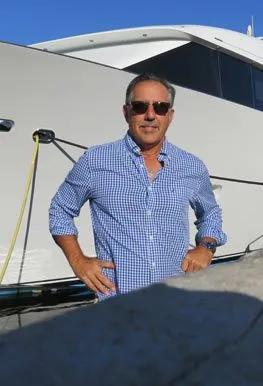
Robert Lama is the founder and principal broker of Miami International Yacht Sales, an IYBA-member luxury yacht brokerage based in South Florida. With over 13 years of experience in 100’–250′ class superyacht transactions, Robert has facilitated multi-million dollar acquisitions and new builds with leading shipyards in Italy and the Netherlands. His background in Commercial Real Estate in New York gives him a unique edge in complex yacht deal structuring and negotiation.