


Last Updated: November 2026 | By Robert Lama, Principal Broker, Miami International Yacht Sales
The question almost every serious buyer gets wrong is not which yacht to buy — it is which type of builder to work with. That choice determines your timeline, your budget ceiling, how much of yourself ends up in the finished vessel, and how easily you can sell it five years from now.
BOAT International’s 2026 Global Order Book puts 1,093 yachts over 24 metres under construction or on order worldwide. That means lead times across all three build models are longer than they were three years ago. If you are evaluating builders right now, understanding how production, semi-custom, and full-custom programs differ is not an abstract exercise — it has direct, practical consequences for when you get on the water.
What is the difference between custom, semi-custom, and production yacht builders?
Production yacht builders work from fixed designs and deliver yachts faster and at lower cost than bespoke alternatives. Semi-custom builders start from a proven hull and allow meaningful personalization in layout, interior, and systems. Full-custom builders design a yacht from scratch around the owner’s specific brief. Each model serves a different buyer profile and comes with different trade-offs on price, timeline, and flexibility.
The simplest decision rule: if you want speed and confidence, go production. If you want a yacht that feels personal without starting from zero, go semi-custom. If your vision is specific and you are prepared to wait, go full-custom.
How the Three Build Models Are Structured
The term luxury yacht builders covers three fundamentally different construction approaches, and conflating them is where buyers waste the most time.
Production builders operate on scale and repetition. The design is fixed, the engineering is finalized, and the production line is running whether or not your order exists. You choose from a defined catalogue of models, select from a menu of finishes and options packages, and take delivery according to a schedule the yard controls — not one you negotiate.
Semi-custom builders work from a proven platform — a tested hull, a validated engineering base — but allow the owner to make meaningful decisions about what goes inside and around it. Layout changes, interior concept, systems packages, and certain deck modifications are all on the table. What you cannot change is the fundamental structure the platform was built around.
Full-custom builders begin with a blank sheet of paper and an owner’s brief. Everything is designed for this owner, this yacht, this program. The result can be extraordinary. So can the complexity.
Production Yacht Builders: Speed, Simplicity, and Predictable Resale
Production yachts are built for buyers who want the best outcome per unit of time and decision-making energy invested.
The build process is optimized for consistency: standardized workflows, pre-approved supplier relationships, and a quality-control system built around a design that has been built dozens or hundreds of times before. When BOAT International notes that production yachts are delivered faster and at generally lower cost than bespoke builds, that efficiency is exactly why.
What you trade is individuality. A production yacht built for the Miami market will have been built for buyers in Monaco, the Adriatic, and the Pacific as well. The layout will reflect broad market preferences rather than your personal habits on the water. The colour palette and finish options exist within a defined range. That is not a deficiency — for many buyers, it is the point. A yacht that appeals to the widest possible buyer pool resells faster and at better value.
For buyers reviewing yacht listings in Miami, a significant proportion of what you will see at any given moment is production yachts from major yards — Azimut, Sunseeker, Ferretti, and others with established model lines. These vessels are well-documented, widely understood by surveyors and finance providers, and easy to compare on a spec sheet.
Production works best for buyers who want:
- The fastest path from decision to delivery
- Lower complexity and fewer decisions to make
- A well-understood resale story
- A yard with an established service and parts network
Semi-Custom Yacht Builders: The Most Practical Choice for Most Serious Buyers
Semi-custom has become the default choice for buyers who have decided they want more than a catalogue selection but are not prepared for the full complexity of a bespoke commission.
The model works because it separates what the builder is good at from what the owner cares most about. The yard handles the platform — the hull, the structural engineering, the propulsion system, the proven architecture. The owner handles the brief — layout flow, interior concept, the guest experience, the aesthetic language. Monaco Yacht Show describes semi-custom as offering a much shorter lead time than full custom while still allowing owners to personalize the vessel in ways that matter.
In practice, that translates to real decisions about cabin configurations, interior mood, dining arrangements, and the systems that support how the owner intends to use the boat — without spending the first eighteen months of a project making structural engineering decisions.
Benetti is a useful reference point here. The yard runs multiple semi-custom series with different platform sizes, allowing buyers to work from an established technical base while making substantive choices about how the yacht looks and functions inside. That approach reduces both build risk and design fatigue.
Build timelines for semi-custom typically run 18 to 36 months from signed contract to delivery, depending on the yard and the degree of customization involved. That range has extended slightly in the current market due to supply chain pressures and the strong overall order book.
Full-Custom Yacht Builders: When Total Control Is the Only Option
Full-custom is for owners who have a clear, specific vision and understand what it takes to realize it.
A full-custom commission means every decision is made for this yacht — exterior design, naval architecture, interior concept, propulsion, systems integration, materials selection, and the engineering required to hold all of it together. BOAT International describes these projects as offering maximum freedom with maximum complexity, and that description is accurate in both directions.
The timeline commitment is significant. A full-custom project at a serious yard will typically run three to seven years from initial brief to delivery, and that figure assumes a clear, stable brief from the outset. Buyers who change direction mid-project — and it happens — extend that timeline further. Monaco Yacht Show research suggests buyers are frequently not prepared for lead times of three-plus years, which means many who start down the full-custom path eventually reconsider.
That said, the results justify the process when the conditions are right. Feadship’s Breakthrough project is the clearest current example of what a full-custom brief can produce: the world’s first hydrogen fuel cell superyacht, with sixteen fuel cell systems generating 3 megawatts of clean power. That level of engineering integration is only possible when the entire yacht is designed around a central concept from the beginning.
Buyers considering full-custom superyacht programs often start by reviewing what is available in the existing market. Browsing superyachts for sale in Miami gives a useful reference point for what comparable yachts have already cost to build and how they perform in the resale market — context that shapes a realistic commissioning budget.
Custom vs Semi-Custom vs Production: Side-by-Side Comparison
| Build Model | Best For | Customization | Typical Timeline | Resale Appeal |
| Production | Speed, simplicity, broad market appeal | Low — finishes and packages only | 3–18 months (or in-stock delivery) | Strongest — wide buyer pool |
| Semi-custom | Personalization without full project risk | Medium to high — layout, interior, systems | 18–36 months | Good — platform recognizable to buyers |
| Full-custom | Specific vision, total design freedom | Complete — every element designed from scratch | 3–7 years | Variable — highly specific yachts can narrow resale audience |
What the 2026 Order Book Means for Your Timeline
The current market adds a practical layer to this decision that buyers often underweight.
With 1,093 yachts over 24 metres on order globally, every category of builder is running full or near-full order books. Production yards that once offered six-month delivery windows are now quoting 12 to 18 months for new builds in popular size ranges. Semi-custom programs that were running 18 to 24 months are now closer to 24 to 36. And full-custom yards at the top of the market have appointment wait times before a contract is even signed.
That changes the calculus in a specific way: buyers who need to be on the water within 12 to 18 months should be looking at production yachts or existing inventory, not new-build programs. Buyers with a 2028 or later target date have the most options across all three build models.
Three yards worth watching in the current market reflect where the industry is heading:
- Feadship — Already moved into hydrogen fuel-cell technology with Breakthrough; full-custom only, long lead times, but the engineering frontier of what a superyacht can be
- Sanlorenzo — Introducing SHE in 2026, its first hybrid-propulsion model in the Yacht range; semi-custom programs with strong sustainability positioning
- Benetti — Hybrid technologies embedded across multiple semi-custom series; among the most flexible yards for buyers who want real personalization without a full custom commitment
What to Ask a Shipyard Before Signing Anything
The right questions early save significant time and money later. Before entering contract discussions with any yard:
- What is the current lead time from contract to delivery for this specific program?
- What decisions are fixed by the platform, and what can genuinely be changed?
- What is the builder’s experience with the specific size and type of yacht you are commissioning?
- How much owner involvement does the program require, and at what stages?
- What warranty and after-sales support applies after delivery?
- How does this yard’s product perform in secondary market transactions?
A yard that cannot answer these questions clearly and without hesitation is telling you something important about how the build process will feel once you are inside it.
Resale Value: Why Builder Type Matters After Delivery
A yacht is not only a lifestyle purchase. It is an asset with a future transaction embedded in it, whether the owner intends to sell eventually or not.
Production and semi-custom yachts from established yards tend to retain stronger resale value because they are easier for future buyers to understand. A known model line has documentation, comparison points, and a service history that future buyers and their surveyors can evaluate quickly. A full-custom yacht with highly specific design choices — particularly unusual interior architecture or bespoke systems configurations — may require significantly more buyer education and can narrow the pool of realistic purchasers.
The practical implication: if you expect to hold the yacht for three to five years before transitioning, semi-custom from a recognized yard is usually the smarter financial decision than full-custom. If you are building a vessel you intend to keep for a decade or more and want it to reflect a singular vision, full-custom makes sense on its own terms.
Frequently Asked Questions
What is the difference between custom, semi-custom, and production yacht builders?
Production builders work from standardized models and deliver yachts faster and at lower cost. Semi-custom builders start from a proven hull and allow owners to personalize layout, interior, and systems. Full-custom builders design an entirely original yacht around the owner’s specific brief. The right choice depends on your timeline, how important personalization is to you, and how you plan to manage the yacht as an asset.
How long does a full-custom yacht take to build?
A full-custom yacht at a reputable yard typically takes three to seven years from initial brief to delivery. That figure assumes a stable brief — buyers who change direction mid-project extend the timeline further. In the current market with strong global order books, some full-custom yards have wait times before a contract is even signed.
Are semi-custom yachts cheaper than full-custom?
Generally yes, because semi-custom programs build on a pre-engineered platform. The yard has already absorbed the cost of hull development and structural testing. What you are paying for is the personalization layer — layout, interior concept, and systems — rather than the entire design and engineering process from scratch.
Which type of builder offers better resale value?
Production and semi-custom yachts from recognized yards typically hold stronger resale value because future buyers can compare them to a known model line. Full-custom yachts with highly specific design choices can be harder to resell because they require the right buyer with compatible preferences. If resale flexibility matters, semi-custom is usually the better balance.
What should I ask a shipyard before signing a build contract?
The most important questions are: What is the current lead time for this specific program? What is fixed by the platform and what can be changed? How does this yard handle changes to the brief mid-build? What warranty and after-sales support applies? And how do their comparable yachts perform on the secondary market? Answers to these questions will tell you more about the build experience than a showroom visit will.
Which builders are known for innovation in 2026?
Feadship, Sanlorenzo, and Benetti are three yards leading on technology and sustainability. Feadship launched Breakthrough, the first hydrogen fuel-cell superyacht. Sanlorenzo is introducing SHE in 2026, its first hybrid-propulsion model. Benetti continues to build hybrid technologies into its semi-custom series. These programs represent where premium yacht manufacturing is heading for buyers with 2027 and beyond delivery targets.
Choosing between production, semi-custom, and full-custom requires more than reading shipyard brochures. Build programs differ significantly from what marketing materials suggest, and the right builder for your brief is not always the most visible one. At Miami International Yacht Sales, we have guided clients through every stage of this decision — from evaluating existing inventory against commissioning a new build, to navigating semi-custom contracts with European yards, to advising on resale positioning after delivery.
If you are ready to have a direct, practical conversation about which approach fits your situation, contact Robert Lama at +1-305-857-8939 or bob@miamiys.com.
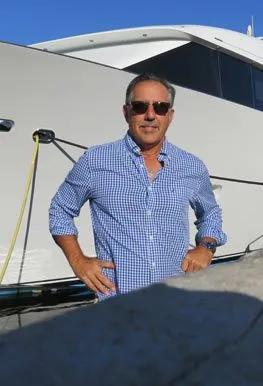
Robert Lama is the founder and principal broker of Miami International Yacht Sales, an IYBA-member luxury yacht brokerage based in South Florida. With over 13 years of experience in 100’–250′ class superyacht transactions, Robert has facilitated multi-million dollar acquisitions and new builds with leading shipyards in Italy and the Netherlands. His background in Commercial Real Estate in New York gives him a unique edge in complex yacht deal structuring and negotiation.