

By Robert Lama, President — Miami International Yacht Sales | Updated September 2026
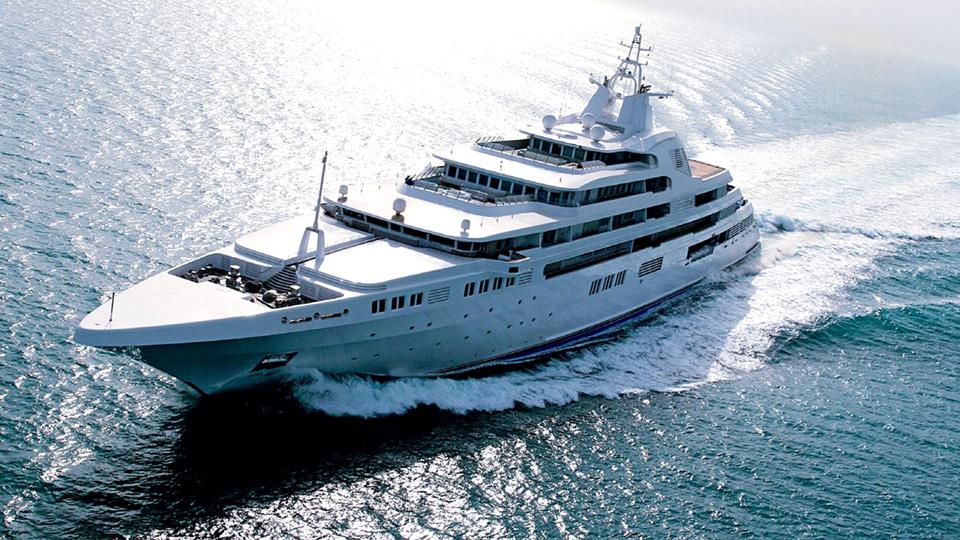
A mega superyacht is not simply a large boat. It is a category of vessel defined by custom engineering, architectural-grade interior design, full professional crew, and a scale of onboard capability that has no equivalent in any other private asset class. Understanding what makes mega superyachts truly special requires looking beyond the obvious — the size, the price, the name on the hull — and examining the specific engineering, design, and operational decisions that separate a 60-metre superyacht from anything else that floats.
This guide covers the defining features of mega superyachts in 2026 — from propulsion technology and structural engineering to interior design philosophy and what owning one actually looks like in South Florida’s most active superyacht market.
What Is a Mega Superyacht? Defining the Category
The term “mega superyacht” applies to vessels above 60 metres (approximately 200 feet) — the threshold at which a vessel requires specialized crew certifications, commercial port infrastructure, and a fundamentally different approach to design, operation, and maintenance. Below this threshold, you have superyachts (24–60 metres) and large motor yachts. Above it, the operational and engineering requirements change entirely.
| Category | Length | Typical Crew | Starting Price (pre-owned) | Annual Running Cost |
|---|---|---|---|---|
| Motor Yacht | 24m – 40m | 3–8 | $500K – $3M | $200K – $500K/yr |
| Superyacht | 40m – 60m | 8–18 | $3M – $20M | $500K – $2.5M/yr |
| Mega Superyacht | 60m – 100m | 18–35 | $20M – $80M | $2.5M – $10M/yr |
| Gigayacht | 100m+ | 35–150+ | $80M+ | $10M – $50M+/yr |
The features that make mega superyachts special are directly connected to this scale — the engineering required to build, propel, stabilize, crew, and maintain a vessel at 60 metres and above produces capabilities that simply do not exist at smaller sizes.
What Makes Mega Superyachts Special — 8 Defining Features
1. Propulsion Technology That Redefines What a Yacht Can Do
Modern mega superyachts are powered by propulsion systems that would have been considered experimental a decade ago. In 2026, the defining propulsion developments in the mega superyacht category are:
- Hybrid diesel-electric systems: Combining conventional diesel engines with electric motors and battery banks, hybrid propulsion reduces fuel consumption by 20–40% in low-speed and harbour operation. Nearly every new mega superyacht commission above 60 metres in 2026 includes hybrid capability as standard.
- Hydrogen fuel cells: Feadship’s BREAKTHROUGH — delivered in 2025 and winner of Motor Yacht of the Year at the 2026 World Superyacht Awards — is the world’s first hydrogen fuel-cell superyacht. Liquid hydrogen powers hotel loads and short-range operation with zero emissions. This technology is expected to become mainstream in the top tier of the market within 5–10 years.
- Azipod propulsion: Azimuth thrusters (Azipods) replace conventional shaft-and-propeller systems with podded electric drives that rotate 360 degrees — eliminating the need for bow thrusters, improving maneuverability in tight marina situations, and reducing underwater noise significantly.
- Dynamic Positioning (DP): GPS-assisted dynamic positioning systems hold a mega superyacht in position at anchor without laying chain — critical for anchoring in protected marine environments and for superyachts with large tenders or submarines that require precise positioning.
2. Structural Engineering at Commercial-Grade Standards
What makes mega superyachts structurally different from production motor yachts is the engineering specification applied at 60 metres and above. At this scale, vessels are classified by Lloyd’s Register, Bureau Veritas, or DNV — the same classification societies that certify commercial ships. The structural margins, weld inspection standards, and material specifications are fundamentally more rigorous than anything applied to production yachts below 24 metres.
Steel hull construction (or aluminum at lighter-displacement builders like Heesen) provides structural integrity across sea states that production fiberglass yachts cannot match. The hull forms developed by specialist naval architects for mega superyachts — including wave-piercing bows, optimized displacement curves, and fin stabilizer systems — produce sea-keeping behavior that makes the difference between a comfortable passage and an uncomfortable one in open-ocean conditions.
3. Stabilization Systems That Eliminate Roll
One of the most practically significant features of mega superyachts — and one of the least glamorous — is stabilization technology. At anchor in a swell, an unstabilized vessel rolls continuously. For a vessel where guests may be sleeping, dining, or using a spa, this is unacceptable.
- Active fin stabilizers — hydraulically controlled fins that extend from the hull and adjust angle dynamically — reduce roll by 85–90% underway.
- Zero-Speed stabilizers — a more recent development — provide stabilization at anchor as well, using larger fins or gyroscopic systems. Standard on every serious new mega superyacht build above 60 metres.
- Gyroscopic stabilizers — spinning gyroscopes that counteract roll forces — are increasingly used on vessels where hull penetration for fins is undesirable.
4. Interior Design at Architectural Grade
The interior of a mega superyacht is not specified by a marine interior company. It is designed by the same studios that design luxury hotels, private residences, and commercial spaces — Sinot Yacht Architecture, Winch Design, Zuretti Design, Reymond Langton — working alongside the owner’s brief and the shipyard’s engineering constraints.
The results reflect this: marble sourced from specific Italian quarries, custom furniture by established designers, lighting designed by architectural lighting consultants, and joinery by craftsmen whose work is also found in Michelin-starred restaurants and private palaces. What makes mega superyacht interiors special is not the cost alone — it is the integration of architectural-grade materials and craftsmanship with the structural and technical requirements of a vessel that must be seaworthy in all conditions.
Current interior design trends in the mega superyacht category include: outdoor-indoor flow with retractable glass walls, beach club decks at water level with fold-down platforms, owner’s deck private terraces, wellness-focused spa design, and cinema rooms that double as presentation spaces for owners who use their vessels for business entertaining.
5. Onboard Facilities That Rival Five-Star Resorts
The onboard facilities of a 60–100 metre mega superyacht are not a selection of amenities — they are a complete resort experience, compressed into a vessel that can relocate to any anchorage in the world. Standard facilities on a well-equipped mega superyacht include:
| Category | Typical Facilities |
|---|---|
| Water sports | Jet skis, foils, kayaks, paddleboards, dive compressor, scuba gear, snorkeling equipment |
| Tenders | Multiple custom tenders (main tender 30–40ft, crew tender, RIB), launched via crane or garage |
| Wellness | Full spa, sauna, steam room, massage room, beauty salon, hair salon |
| Fitness | Gym with Technogym or equivalent equipment, yoga platform, Peloton bikes |
| Pool | Heated swimming pool (often with jets), glass-bottom pool on larger vessels, plunge pools |
| Entertainment | Cinema room with 4K projection, gaming console setup, karaoke, DJ equipment |
| Dining | Formal dining for 12–24 guests, al fresco dining, beach club dining, owner’s private dining |
| Expedition | Submarine on vessels above 70m, ROV (remote-operated vehicle), helicopter pad |
6. Professional Crew That Operate as a Hospitality Team
A mega superyacht crew is not simply a nautical team. At 60 metres and above, crew complement ranges from 18 to 35 or more — including a Master (captain) holding a Class 1 Master Mariner license, Chief Officer, Chief Engineer, Bosun, deckhands, Chef (typically Michelin-trained or equivalent), sous chef, Purser, stewardesses, dive instructors, spa therapists, and personal trainers.
The quality of crew on a mega superyacht is one of the most significant differentiators in the ownership experience. A well-selected, well-managed crew transforms a vessel into a private five-star experience. Robert Lama advises buyers on crew management, crew agency relationships, and how crew continuity history should factor into any acquisition decision — because consistent crew is one of the strongest signals of a well-managed vessel.
7. Sustainability Technology Leading the Industry in 2026
The mega superyacht segment is leading the broader maritime industry in sustainability technology — driven by owner demand, increasingly strict emissions regulations in European waters, and the competitive positioning of shipyards investing in alternative propulsion. In 2026, the most significant developments are:
- Shore power connection: All new mega superyachts above 60 metres are built with shore power connections allowing full hotel operation without running generators — eliminating diesel emissions and noise in marina environments.
- Solar integration: Retractable or fixed solar panels on superyacht top decks provide meaningful generation capacity — particularly relevant for vessels spending significant time at anchor in high-sunshine regions like the Bahamas and Caribbean.
- Waste heat recovery: Engine exhaust heat is recovered and used for freshwater generation via evaporators, reducing fuel consumption for watermakers — a system common on commercial vessels and now standard on premium mega superyacht builds.
- Zero-waste protocols: Leading charter management firms now require documented zero-waste protocols — including grey water treatment, plastics elimination, and responsible provisioning — as a condition of charter listing.
8. Global Range and Expedition Capability
What finally separates a mega superyacht from any other form of private transportation is range. A well-spec’d 70-metre displacement mega superyacht carries fuel and provisions for 5,000–6,000 nautical miles at cruise speed — enough to cross the Atlantic non-stop, or to cruise the entire Caribbean chain without a fuel stop. At anchor in a remote location, the same vessel generates its own fresh water, its own electricity, and provides complete resort-grade accommodation for 12–16 guests and 25 crew without any external supply.
This self-sufficiency is what makes mega superyachts special beyond the obvious luxury — they are genuinely capable of taking their owners anywhere on earth, independently, in conditions that would be impossible in any other private vehicle.
Mega Superyachts in Miami — What Ownership Looks Like in South Florida
Miami and Fort Lauderdale represent the most active mega superyacht market in the United States — driven by year-round climate, immediate Bahamas access, Port Everglades deepwater infrastructure, and the concentration of IYBA-licensed superyacht brokers, specialist marine attorneys, and refit facilities within a 30-mile radius.
For buyers based in or acquiring through Miami, the practical advantages are significant: Florida’s $18,000 sales tax cap applies regardless of vessel value, the Bahamas Exumas chain is accessible within a day’s passage from Miami, and the South Florida service infrastructure supports vessels up to 120 metres without the logistical complications of smaller US markets.
Miami International Yacht Sales specializes in the 100-foot to 250-foot (30m–76m) class, with brokerage relationships extending to the full mega superyacht tier. Contact Robert Lama at +1-305-857-8939 to discuss current mega superyacht availability or to begin a specific search.
Frequently Asked Questions — What Makes Mega Superyachts Special
What is the difference between a superyacht and a mega superyacht?
A superyacht is any privately owned luxury vessel above 24 metres (79 feet). A mega superyacht is specifically a vessel above 60 metres (200 feet) — the threshold at which vessels require commercial-grade crew certifications, Lloyd’s or Bureau Veritas structural classification, and dedicated deepwater port infrastructure. The engineering, crew requirements, and operational complexity of a mega superyacht are fundamentally different from a 40-metre superyacht.
What makes a superyacht interior special?
Mega superyacht interiors are designed by the same architectural studios responsible for luxury hotels and private residences — not by marine interior companies. Materials include Italian marble, hand-selected stone, custom furniture by established designers, and joinery by craftsmen whose work appears in Michelin-starred restaurants and private palaces. The integration of these materials with seaworthy structural requirements — everything must be secured, weighted correctly, and impervious to salt air — is what makes mega superyacht interior design a genuinely specialist discipline.
What technology do mega superyachts have?
Current mega superyachts feature hybrid diesel-electric propulsion, hydrogen fuel-cell capability at the leading edge (Feadship’s BREAKTHROUGH, 2025), Azipod azimuth thrusters, dynamic positioning GPS systems, zero-speed fin and gyroscopic stabilizers, AI-powered security and access control, 4K satellite communications, integrated audiovisual systems, and advanced navigation including ECDIS and autopilot systems that can cross oceans without manual steering inputs.
How many crew does a mega superyacht need?
A 60-metre mega superyacht typically requires a minimum of 18–22 crew: Captain, Chief Officer, Chief Engineer, Engineer, Bosun, 4–6 deckhands, Chef, sous chef, Purser, and 4–6 stewardesses. Above 80 metres, crew complement rises to 25–35 or more, adding dive instructors, spa therapists, personal trainers, and additional hospitality staff. Crew salaries typically represent the single largest component of annual operating costs.
What onboard facilities do mega superyachts have?
A well-equipped 60–80 metre mega superyacht typically includes: heated swimming pool, full spa with sauna and steam room, gym, cinema room, multiple dining spaces (formal interior, al fresco, beach club), dive center with full equipment and compressor, multiple tenders including a main tender of 30–40 feet, jet skis, foils and water toys, and helicopter pad on larger vessels. Above 80 metres, submarines and remotely operated vehicles (ROVs) are increasingly common.
Are mega superyachts available in Miami?
Yes — Miami and Fort Lauderdale have the most active mega superyacht brokerage market in the United States. Miami International Yacht Sales maintains current knowledge of listed and off-market mega superyacht inventory through active co-brokerage relationships in South Florida, Monaco, Palma, and the Netherlands. Contact Robert Lama at +1-305-857-8939 for current availability.
Find a Mega Superyacht — Contact Robert Lama
Miami International Yacht Sales provides independent IYBA-licensed brokerage for buyers and sellers of mega superyachts — from initial market evaluation through to closing. Every inquiry is handled personally by Robert Lama, with 14 years of specialist experience in the South Florida and international superyacht market.
- 📞 Phone: +1-305-857-8939
- 📧 Email: bob@miamiys.com
- 📍 Location: 953 Harbor View N, Hollywood, FL 33019
Browse our current mega yachts and superyachts for sale, explore the world’s largest superyachts 2026, or see our top luxury yacht brands guide for full market context.
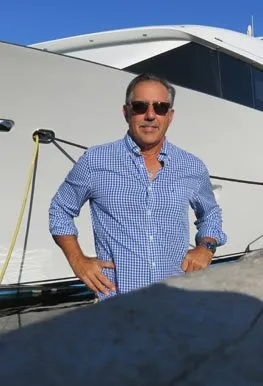
Robert Lama is the founder and principal broker of Miami International Yacht Sales, an IYBA-member luxury yacht brokerage based in South Florida. With over 13 years of experience in 100’–250′ class superyacht transactions, Robert has facilitated multi-million dollar acquisitions and new builds with leading shipyards in Italy and the Netherlands. His background in Commercial Real Estate in New York gives him a unique edge in complex yacht deal structuring and negotiation.