

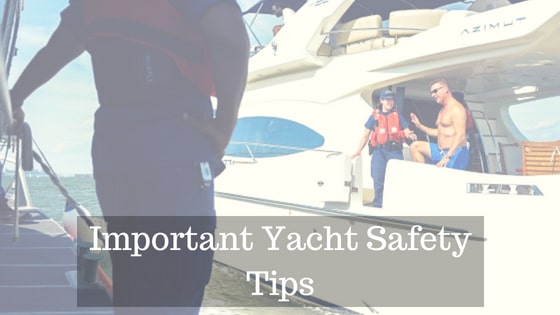
Yachting offers an exhilarating blend of luxury, adventure, and relaxation, whether you’re cruising on a superyacht, a luxury yacht, or a sailboat. It’s not just a way to explore the world’s oceans, lakes, and rivers. It’s an opportunity to immerse yourself in a lifestyle of elegance and freedom. However, no matter the type of yacht, it’s essential to prioritize yachting safety to protect both your vessel and everyone on board.
From understanding yacht safety regulations to ensuring you have the right yacht safety equipment on hand, this comprehensive guide will cover it all. We’ll also dive into best practices for yacht safety and luxury yacht safety, ensuring you’re fully prepared for a secure and unforgettable adventure on the water.
The Importance of Yacht Safety
Yacht safety is critical for every journey, not just for the vessel itself, but also for the people on board. While cruising on a yacht offers the unparalleled freedom to explore serene waters, it’s essential to recognize that the ocean is unpredictable. From sudden weather changes to mechanical failures, there are numerous risks associated with yachting. A yacht can be a massive, complex machine, and with great luxury comes significant responsibility. Yacht safety isn’t limited to equipment alone; it’s about preparation, training, and being proactive in avoiding risks. This is why having a yacht safety checklist and ensuring that you follow yachting safety regulations is crucial.
Securing Everyone on Board:
The safety of passengers, crew, and guests should be a top priority. It’s not just about preventing accidents but being ready to respond quickly should the unexpected happen. From the captain and crew to the guests, everyone needs to be aware of safety protocols and their specific roles in case of an emergency. This includes knowledge of how to use yacht safety equipment, such as life jackets, fire extinguishers, and distress signaling devices. Even for those on luxury yachts, where comfort and performance are paramount, safety measures should never be compromised.
Unpredictability of the Water:
The water is beautiful, but it can also be dangerous. Even experienced captains can encounter sudden weather changes that could make a peaceful journey into a hazardous situation. Marine weather checks for yachts should always be performed before departure and regularly throughout the journey. Understanding how to adapt to unpredictable conditions can be the difference between a safe voyage and a disastrous one. Additionally, yacht fire prevention is crucial. Fires can spread quickly on a yacht, so knowing how to act in such emergencies, including using fire suppression systems and fire extinguishers, is a vital safety measure.
A Comprehensive Safety Strategy:
Ensuring yacht safety is not just about following regulations. It’s about creating a culture of preparedness. By keeping your yacht properly maintained, training your crew regularly, and having all necessary safety equipment in place, you can significantly reduce the risks associated with yachting. Whether you’re out on a luxury yacht, mega yacht, or a sailboat, safety should be built into every part of the experience. Adopting best practices like ensuring yacht compliance & regulations and being mindful of yacht maintenance safety is essential. It allows you to enjoy your time on the water while keeping everyone safe.
Yacht Safety Regulations: What You Need to Know
Every yacht owner, captain, and crew member should be well-versed in yacht safety regulations. These regulations are in place to ensure safe sailing, prevent accidents, and minimize risks for both the crew and passengers.
Mandatory Safety Equipment for Yachts
Regulations often mandate that specific safety equipment be carried on board, depending on the size and type of yacht. Some of the most important equipment that must be present includes:
- Life Jackets: Each person on board must have a properly fitting life jacket. These must be accessible at all times, and the life jackets should meet the standards set by maritime authorities.
- Fire Extinguishers: Yachts must be equipped with adequate fire safety gear, including fire extinguishers in easy-to-reach locations. Superyachts or larger ones, in particular, may need additional fire suppression systems.
- Emergency Steering System: This backup system is critical in case of failure of the main steering gear. It should be fully operational and tested regularly.
- Flares and Signaling Devices: Flares or other signaling devices are essential for attracting attention in an emergency situation.
- Bilge Pumps: These are necessary to pump out water in case the yacht begins to take on water.
Yacht Compliance with Local Maritime Laws
Whether you are cruising in the U.S. or internationally, yachts must adhere to local maritime laws and safety standards. These include rules around speed limits, docking, and navigational aids. Violating these regulations can result in penalties, and in some cases, accidents. It’s essential for every yacht owner and captain to stay informed about the latest safety and compliance requirements.
Schedule a Free Consultation!
Best Practices for Yacht Safety
Yacht safety is not just about having the right equipment, it’s about establishing a culture of safety on board. Adopting best practices is crucial to mitigating risk and ensuring the safety of everyone on board.
1. Regular Yacht Maintenance and Inspections
Keeping your yacht in excellent working condition is one of the best ways to prevent accidents and malfunctions. Regular maintenance ensures that your vessel’s engines, electrical systems, and safety equipment are all functioning properly.
- Yacht Maintenance Safety: Regularly check the hull, propulsion system, electrical wiring, and safety equipment. Ensure that emergency systems such as fire extinguishers, first aid kits, and backup steering are in good condition. Conduct detailed safety inspections before each trip, particularly if you are preparing for long voyages.
- Pre-Departure Yacht Inspection: Before embarking on any journey, perform a thorough check of all safety equipment and systems. Ensure that the vessel’s navigation lights are functioning, fire alarms are operational, and that life jackets and life rafts are easily accessible. This inspection should be a standard routine every time you set sail.
2. Train the Crew and Guests on Emergency Procedures
A yacht is only as safe as the crew’s ability to handle an emergency. Proper training is critical to ensuring everyone on board knows what to do in the event of a fire, medical emergency, or man-overboard situation. As a yacht owner, it’s your responsibility to ensure your crew and guests are properly briefed and trained.
- Yacht Crew Safety Training: All crew members should undergo safety training that covers first aid, CPR, fire response, and how to use safety equipment like life jackets and life rafts. This training should be comprehensive and should occur regularly to ensure that the crew can respond quickly and effectively to any situation.
- Yacht Emergency Procedures: Everyone on board, including guests, should know how to act during an emergency. Regular emergency drills will help familiarize everyone with the location of emergency equipment, such as life jackets, flares, and fire extinguishers. It’s essential that each person knows how to evacuate the vessel safely in case of a fire or flooding.
3. Be Aware of Weather Conditions
The safety of a yacht voyage can be dramatically affected by the weather. Sudden storms or high winds can make sailing dangerous, so always check weather reports before setting off.
- Marine Weather Checks for Yachts: Use modern technology, like weather apps or onboard satellite systems, to check the forecast before and during your voyage. Always prepare for adverse weather conditions, especially if you are planning a long trip.
- Sailboat Safety: Sailboats, in particular, are more susceptible to changes in wind direction and speed. Being aware of the weather helps you avoid strong winds and storms that could jeopardize your safety.
4. Secure Your Yacht When Anchoring
Anchoring might seem like a straightforward task, but securing your yacht properly is critical to prevent drifting or damage.
- Yacht Anchoring Safety: The size of your anchor should match the weight and size of your yacht. Always anchor in calm, sheltered areas, away from busy ports or storm-prone areas. Ensure the anchor is properly set and use a depth gauge to ensure it’s holding fast.
- How to Secure a Luxury Yacht: Luxury yachts often have advanced anchoring and mooring systems. Make sure these systems are inspected regularly and that the crew is trained to handle them properly.
5. Preventing Man Overboard Incidents
Overboard accidents are a serious concern for any yacht. Having the right safety measures in place and keeping guests and crew informed can help prevent such incidents.
- Man Overboard Prevention: Install safety rails and lifelines around the deck, especially in high-traffic areas. Consider adding automatic man overboard systems, such as alarms or tracking devices that activate when someone falls overboard.
- Yacht Onboard First-Aid Kit: Always have a well-stocked first-aid kit on hand, and ensure the crew knows how to use it in case of injuries.
6. Equip Your Yacht with Comprehensive Safety Gear
Your yacht must be equipped with a full range of safety equipment, including items to handle fire outbreaks, medical emergencies, and other unforeseen situations.
- Yacht Safety Gear: This includes life jackets, life rafts, emergency signaling devices, and fire extinguishers. Make sure to regularly inspect and maintain this equipment.
- Mega Yacht Fire and Safety Equipment: Mega yachts require additional fire safety measures. These include fire suppression systems, smoke detectors, and emergency escape routes. Ensure all systems are tested before every voyage.
FAQs About Yacht Safety
1. What safety equipment should every yacht have?
Every yacht should be equipped with life jackets, fire extinguishers, signaling devices, a first-aid kit, bilge pumps, and a two-way radio. Larger vessels may require additional equipment like fire suppression systems, life rafts, and emergency steering systems.
2. How can I secure my luxury yacht?
To secure a luxury yacht, install high-tech security systems such as GPS tracking, surveillance cameras, and alarms. Docking in secure locations, utilizing lock systems, and hiring professional security teams during long-term docking can also protect your yacht from theft.
3. What are the best yacht safety practices for new owners?
New yacht owners should prioritize crew training, conduct regular safety inspections, and be familiar with yacht safety regulations. They should also learn how to perform emergency procedures, understand weather conditions, and ensure their yacht is equipped with necessary safety gear.
4. How do I prepare my yacht for an offshore voyage?
For offshore voyages, ensure that your yacht is equipped with the necessary safety gear, including life rafts, first-aid kits, and fire suppression systems. Regularly inspect the vessel, and ensure that all crew members are well-versed in emergency procedures.
5. What are common safety mistakes yacht owners make?
Common mistakes include neglecting regular maintenance, failing to equip the yacht with necessary safety equipment, and not properly training the crew. Additionally, many yacht owners fail to check weather conditions regularly or to properly secure the yacht while anchoring.
6. How do I inspect a used yacht for safety?
Before purchasing a used yacht for sale, check its compliance with safety regulations, including the condition of the hull, engine, and emergency systems. Verify that the yacht has the required safety equipment and ensure that it’s in good working order.
7. What is the best way to prevent man overboard accidents?
To prevent man overboard incidents, ensure that the yacht has proper safety rails, lifelines, and man overboard detection systems. Always ensure that crew and passengers are aware of the procedures for responding to such accidents.
Make a Smart Investment in Your Yacht with Expert Guidance
At Miami International Yacht Sales, we understand that buying a yacht is a significant investment, and making the right choice is crucial. As a leading international yacht brokerage firm, we specialize in helping clients navigate the complex world of yacht ownership by offering expert advice on new and used yachts for sale that align with your lifestyle and investment goals. Whether you’re interested in a luxury yacht, a superyacht, or a sailboat, our team ensures you’re making a sound investment based on your preferences and budget.
With our extensive knowledge of the market, we assist in evaluating yacht compliance & regulations, and guide you toward options that will retain their value and deliver long-term satisfaction. Additionally, we prioritize yacht safety, providing advice on yacht safety equipment, best practices for yacht safety, and how to secure a luxury yacht, so you can enjoy peace of mind knowing your vessel is both a valuable investment and a safe one.
Let us help you make an informed, confident decision. Reach out to us at +1-305-857-8939 or email us at bob@MiamiYS.com to explore the best yacht options available and ensure your investment is secure and rewarding.
Robert Lama is the founder and principal broker of Miami International Yacht Sales, an IYBA-member luxury yacht brokerage based in South Florida. With over 13 years of experience in 100’–250′ class superyacht transactions, Robert has facilitated multi-million dollar acquisitions and new builds with leading shipyards in Italy and the Netherlands. His background in Commercial Real Estate in New York gives him a unique edge in complex yacht deal structuring and negotiation.